The Ozempic Trap: How GLP-1 Drugs Destroy Your Metabolic Future
Discover the hidden metabolic dangers of Ozempic and GLP-1 drugs. Up to 40% of weight lost is muscle, leading to metabolic damage and weight regain.
Medical Disclaimer
This content is for informational and educational purposes only. It is not a substitute for professional medical advice, diagnosis, or treatment. Always seek the advice of your physician or other qualified health provider with any questions you may have regarding a medical condition.
What if the most celebrated weight loss drug in history was actually destroying the very thing that keeps you healthy? Ozempic, Wegovy, Mounjaro: these GLP-1 medications have become the fastest-growing drug class in pharmaceutical history, with celebrities and influencers singing their praises. But beneath the dramatic before-and-after photos lies a metabolic catastrophe that most doctors either don't understand or won't tell you about.
Here's the uncomfortable truth about Ozempic and your metabolism: up to 40% of the weight you lose isn't fat. It's muscle. And that muscle loss doesn't just make you weaker. It fundamentally rewires your metabolic future, setting you up for weight regain, blood sugar problems, and a host of issues that will haunt you long after you stop the injections.
At Biospark Health, we've watched this pattern unfold with growing concern. Patients come to us after cycling through GLP-1 drugs, confused about why they feel worse than before they started. The answer lies in understanding what these drugs actually do to your cellular metabolism, and why the "easy fix" almost always becomes a long-term trap.
The Ozempic Metabolism Crisis: What's Really Happening in Your Body
When you take Ozempic or any GLP-1 agonist, the drug mimics a hormone called glucagon-like peptide-1. This hormone signals your brain that you're full, slows stomach emptying, and reduces appetite. Sounds simple enough. But the metabolic consequences extend far beyond appetite suppression.
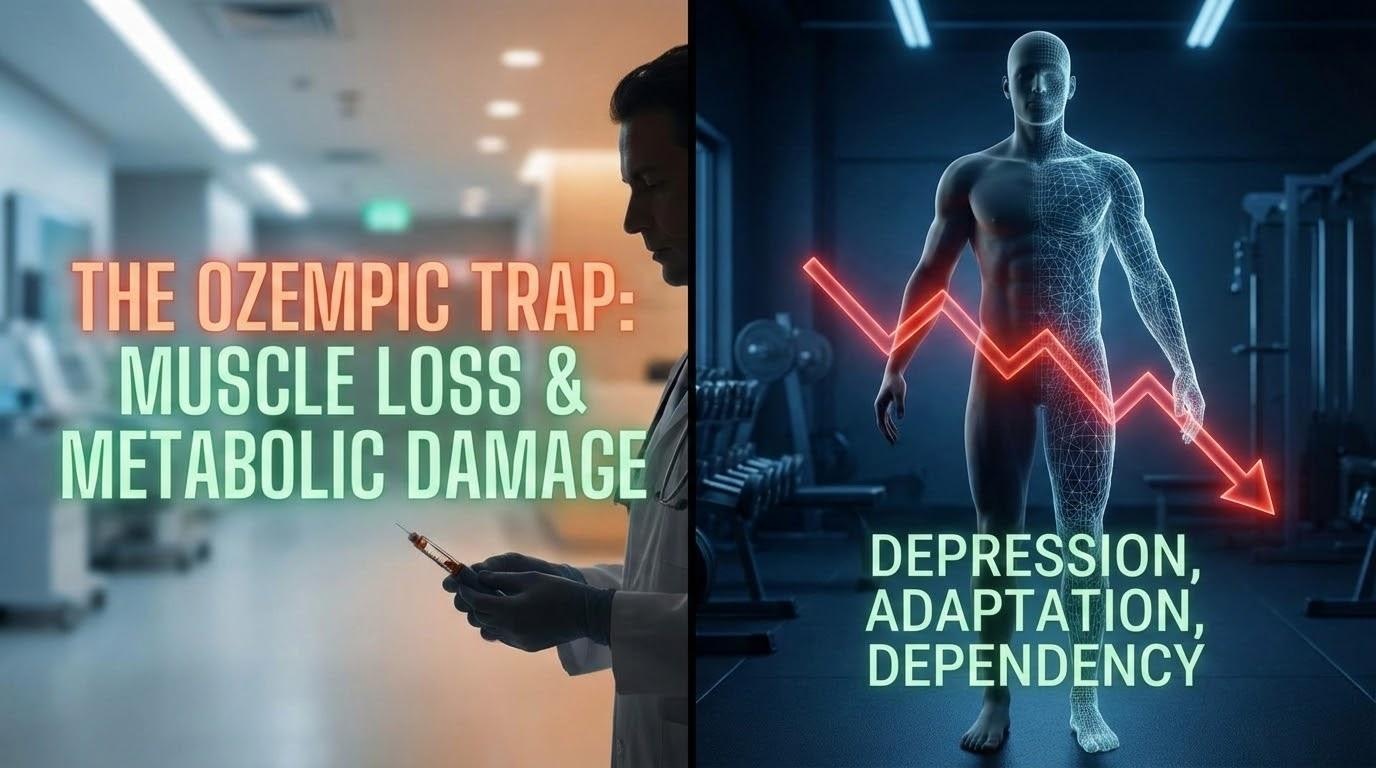
Research from the University of Alberta revealed something alarming: semaglutide (the active ingredient in Ozempic and Wegovy) causes heart muscle to decrease in both obese and lean subjects. This finding was confirmed in cultured human heart cells. Your heart is a muscle. When you lose heart muscle, you're not just losing weight. You're compromising your cardiovascular system.
A commentary in The Lancet from researchers at University of Alberta, McMaster, and Louisiana State University examined the emerging evidence and found that up to 40% of weight lost on these medications is actually muscle mass, not fat. This isn't a minor side effect. This is a fundamental problem with how these drugs work.
Why does muscle loss matter so much? Muscle tissue is the primary driver of your resting metabolic rate. Every pound of muscle burns approximately 6-10 calories per day just existing. Lose 15 pounds of muscle (which is entirely possible on GLP-1 drugs), and you've permanently reduced your daily caloric burn by 90-150 calories. Over a year, that's 10-15 pounds of potential weight gain, even eating the same amount.
But the metabolic damage goes deeper. Muscle is your body's primary blood sugar management system. When you eat carbohydrates, your muscles absorb the majority of that glucose. Less muscle means less glucose disposal capacity, which means higher blood sugar, more insulin resistance, and a faster path toward the very diabetes these drugs are supposed to prevent.
Does Your Metabolism Return After Stopping Ozempic?
This is the question that keeps GLP-1 patients up at night, and the answer isn't reassuring. Research consistently shows that when people stop using semaglutide medications, weight rebounds. But it's not just about regaining pounds. It's about what kind of weight comes back.
When you lose weight rapidly through appetite suppression (rather than metabolic improvement), your body loses both fat and muscle. But when you regain weight after stopping the drug? That weight comes back primarily as fat. This phenomenon, sometimes called "fat overshooting," means you end up with a worse body composition than before you started.
The metabolic adaptation that occurs during GLP-1 treatment doesn't simply reverse when you stop the medication. Your body has adjusted to lower caloric intake by downregulating thyroid function, reducing metabolic rate, and becoming more efficient at storing energy. These adaptations persist long after the drug leaves your system.
Studies tracking patients after discontinuing GLP-1 medications show that within two years, most people have regained the majority of their lost weight. But they haven't regained the muscle they lost. This leaves them metabolically worse off than before they ever started treatment: more fat, less muscle, lower metabolic rate, and increased insulin resistance.
The cruel irony is that many people then restart the medication, beginning another cycle of muscle loss. Each cycle leaves them with less metabolic capacity than the last.
The Long-Term Side Effects Nobody Talks About
Beyond the immediate gastrointestinal symptoms that most Ozempic users experience (nausea affects roughly 20% of users), there's a constellation of long-term effects that rarely make it into the promotional materials.
Bone loss is emerging as a significant concern. When you lose weight rapidly through caloric restriction (which is essentially what GLP-1 drugs create), your body doesn't just break down fat and muscle. It also reduces bone density. Research has shown that weight-loss semaglutides appear to drive bone loss, an unintended consequence that could set users up for osteoporosis and fractures later in life.
Gastroparesis, or stomach paralysis, is another serious risk. These drugs work partly by slowing gastric emptying. In some patients, this effect becomes permanent or semi-permanent, leaving them unable to digest food normally even after stopping the medication. Reports of severe gastroparesis requiring hospitalization have increased dramatically alongside GLP-1 prescription rates.
Hair loss affects a substantial percentage of users, reflecting the body's protein-sparing response to perceived starvation. When calories drop dramatically, your body prioritizes vital organs over hair follicles. The same mechanism that causes "Ozempic face" causes hair thinning and loss.
Gallbladder problems, including gallstones requiring surgical removal, occur at elevated rates in GLP-1 users. Rapid weight loss is a known risk factor for gallstone formation, and the weight loss induced by these drugs is often faster than what occurs through dietary changes alone.
The Mental Health Connection: Why Ozempic Changes Your Brain
Perhaps the most disturbing aspect of GLP-1 drugs is their effect on mental health. A study published in Nature examining 162,253 matched patients found staggering increases in psychiatric disorders among GLP-1 users: a 195% higher risk of major depression, 108% increased risk for anxiety, and 106% elevated risk for suicidal behavior.
These aren't rare side effects. These are fundamental changes to brain chemistry that affect a significant portion of users.
The mechanism may be intentional rather than accidental. Eli Lilly's CEO publicly described these medications as "anti-hedonics" that reduce "desire cycles" for food, alcohol, and drugs. In plain language: these drugs work by reducing your capacity to experience pleasure. That's not appetite suppression. That's chemically induced anhedonia, which is the clinical hallmark of depression.
When you can't enjoy food, your relationship with eating becomes purely functional. Some might argue that's the point. But humans aren't machines. Our relationship with food involves culture, family, pleasure, and meaning. Stripping that away doesn't make you healthier. It makes you depressed.
From a bioenergetic perspective, this makes perfect sense. Adequate cellular energy is required for proper neurotransmitter function, including dopamine (the pleasure and motivation chemical). When your metabolism is suppressed through artificial means, your brain's reward systems suffer alongside everything else.
Ozempic Muscle Loss: The Hidden Epidemic
Let's be specific about what muscle loss means for your health. Muscle isn't just about strength or appearance. It's a metabolic organ that performs critical functions throughout your body.
First, muscle stores amino acids that your body uses for repair during illness or stress. When you get sick, injured, or undergo surgery, your body draws on muscle protein reserves. Less muscle means less resilience and slower recovery from any health challenge.
Second, muscle releases myokines, signaling molecules that support immune function and help fight infections. Research has shown that adequate muscle mass is one of the strongest predictors of surviving serious illness, from cancer to COVID-19. Sacrificing muscle for weight loss is trading long-term survival capacity for short-term scale numbers.
Third, muscle determines your future mortality and morbidity risk. Studies consistently show that muscle mass and strength are better predictors of longevity than BMI or even cardiovascular fitness. The frail, muscle-depleted state that many GLP-1 users achieve is associated with shorter lifespans and more years of disability.
The "Ozempic face" phenomenon (the gaunt, aged appearance many users develop) isn't just cosmetic. It's a visible sign of whole-body protein catabolism. When your face looks hollow, it's because your body is breaking down muscle tissue everywhere, including facial muscles and collagen-supporting structures.
The Economics of Dependency: Why Pharma Wants You on GLP-1 Forever
There's a financial reality underlying the GLP-1 phenomenon that rarely gets discussed. These medications cost $1,000 or more per month. Novo Nordisk (maker of Ozempic and Wegovy) and Eli Lilly (maker of Mounjaro) have seen their stock prices soar as prescriptions skyrocket. This isn't conspiracy thinking. It's basic economics.
The business model depends on permanent use. If these drugs fixed metabolic dysfunction, you'd take them for a period and then stop, cured. But that's not how they work. They suppress appetite only while you're taking them. Stop the drug, and the appetite returns. This means lifetime prescriptions, lifetime revenue, and lifetime dependency.
The clinical trials themselves reveal this truth. In discontinuation studies, patients who stopped GLP-1 medications regained most of their weight within 1-2 years. The drugs don't teach your body anything. They don't heal anything. They simply override normal hunger signaling for as long as you keep paying and injecting.
Compare this to approaches that actually restore metabolic function. When you fix thyroid issues, optimize nutrient status, and heal gut dysfunction, the improvements persist because you've addressed root causes. You don't need to keep "taking" good metabolic function. Once restored, it maintains itself with proper lifestyle support.
The pharmaceutical industry has found the perfect product: one that works only while you use it, creates dependency, and requires monthly payments indefinitely. The question is whether that's what you want for your health.
What GLP-1 Drugs Can't Fix: The Root Cause Problem
Here's what pharmaceutical companies won't tell you: Ozempic cannot fix metabolic dysfunction. It can only mask it while creating new problems.
The root causes of weight gain and metabolic dysfunction include thyroid suppression, chronic inflammation, gut dysbiosis, nutrient deficiencies, chronic stress, sleep deprivation, and environmental toxin exposure. GLP-1 drugs address none of these issues. They simply override your hunger signals while your underlying metabolic problems continue or worsen.
Consider thyroid function. Many people with weight problems have subclinical hypothyroidism, with sluggish thyroid function that doesn't show up on standard lab tests. GLP-1 drugs can further suppress thyroid function as part of the body's adaptation to reduced caloric intake. This means that while the drug is "working" to reduce appetite, it's simultaneously making your metabolism slower and more dysfunctional.
Or consider gut health. The severe gastrointestinal side effects of GLP-1 drugs (nausea, vomiting, gastroparesis) aren't just uncomfortable. They disrupt the gut microbiome, reduce nutrient absorption, and create inflammation in the digestive tract. These effects compound the metabolic dysfunction that likely contributed to weight gain in the first place.
The question isn't whether you can lose weight on Ozempic. Clearly, you can. The question is whether that weight loss makes you healthier. The evidence increasingly suggests it doesn't.
The Biospark Approach: Restoring Metabolism at the Root
At Biospark Health, we take a fundamentally different approach to metabolic health. Instead of suppressing symptoms with drugs that destroy muscle and flatten your capacity for joy, we focus on restoring the cellular energy production that drives all metabolic function.
Dr. Presciutti's bioenergetic approach recognizes that weight gain is usually a symptom of metabolic dysfunction, not a cause. When your mitochondria (the energy-producing structures in every cell) can't efficiently produce ATP, your body compensates by storing energy as fat, reducing activity, and slowing metabolic rate. Forcing weight loss through appetite suppression does nothing to fix this underlying problem.
True metabolic restoration involves supporting thyroid function, optimizing nutrient status (particularly the minerals and vitamins that mitochondria need), reducing inflammatory burden, and healing the gut. When cellular energy production improves, weight normalizes naturally, without muscle loss, without depression, and without the rebound that follows every drug-induced weight loss.
This isn't a quick fix. It's a fundamental rebuilding of metabolic capacity that produces lasting results. Patients who restore their metabolism through bioenergetic principles don't just lose weight. They gain energy, mental clarity, hormonal balance, and resilience.
Ready to restore your metabolism at the cellular level?
The Bioenergetic Reset Program addresses root causes, not symptoms. Join 300+ members who've discovered what real metabolic health feels like.
- 9+ hours of comprehensive training
- Twice-monthly LIVE coaching calls
- Complete meal plans & protocols
- Direct email support
$133/month | Cancel anytime
Metabolic Health Support in Reading & Berks County, PA
If you're in the Reading or Wyomissing area and have been considering GLP-1 drugs, or if you're already experiencing the metabolic fallout from these medications, you're not alone. Many residents throughout Berks County are discovering that the promised weight loss solution has created more problems than it solved.
At Biospark Health, we serve clients throughout southeastern Pennsylvania, including Lancaster, Downingtown, Allentown, and the greater Philadelphia suburbs. Our metabolic restoration approach has helped local residents recover from the damage of yo-yo dieting, GLP-1 drugs, and other interventions that sacrificed long-term health for short-term results.
Whether you're in West Chester, King of Prussia, or anywhere in the Chester County area, our virtual and in-person options make it easy to get the metabolic support you need. We understand the unique challenges facing Pennsylvania residents, from the stress of commuter lifestyles to the dietary patterns common in our region.
Frequently Asked Questions
Does Ozempic permanently damage metabolism?
The metabolic adaptations from GLP-1 drugs can persist for months to years after stopping the medication. The muscle loss, thyroid suppression, and metabolic rate reduction don't automatically reverse. However, with proper intervention focused on cellular energy restoration, it is possible to rebuild metabolic function. The key is addressing the underlying dysfunction rather than simply stopping the drug.
Why do people regain weight after stopping Ozempic?
Weight regain occurs because the drug never fixed the metabolic dysfunction driving weight gain in the first place. Additionally, the muscle loss during treatment reduces metabolic rate, meaning you now burn fewer calories than before you started. When appetite returns but metabolism remains suppressed, weight gain is inevitable, and it typically comes back as fat rather than muscle.
Is there a safe way to use GLP-1 drugs?
Some practitioners attempt to mitigate muscle loss through resistance training and high protein intake during GLP-1 treatment. While this may reduce (not eliminate) muscle loss, it doesn't address the other metabolic, mental health, and gut health concerns. From a bioenergetic perspective, artificially suppressing appetite without restoring cellular energy production is working against your body's natural intelligence rather than with it.
What should I do if I'm already on Ozempic?
Do not stop GLP-1 medications abruptly without medical supervision, as this can cause significant metabolic disruption. If you're concerned about the long-term effects, work with a practitioner who understands metabolic health to develop a transition plan that includes metabolic support, muscle preservation strategies, and root-cause intervention. The goal is to build metabolic capacity before reducing pharmaceutical intervention.
Conclusion
The Ozempic phenomenon represents everything problematic about modern medicine's approach to metabolic health: a focus on symptoms rather than causes, short-term results over long-term wellbeing, and pharmaceutical intervention where lifestyle and nutritional optimization would serve better.
The dramatic weight loss photos don't show the muscle loss, the depression, the metabolic damage, or the inevitable regain. They don't show patients five years later, metabolically worse off than before they started, facing the same weight problems with fewer resources to address them.
There is another way. Restoring metabolic function at the cellular level, supporting thyroid and mitochondrial health, healing the gut, and reducing inflammatory burden produces sustainable results without sacrificing muscle, mental health, or metabolic future.
Your metabolism isn't a problem to be overridden. It's an intelligent system to be supported. When you work with your body's bioenergetic needs rather than against them, weight normalizes, energy returns, and health improves across every dimension.
The Ozempic trap is real. But you don't have to fall into it, and if you already have, there's a path out.
Tags:
References & Citations
This article is supported by scientific research and peer-reviewed sources. Click citations to verify the evidence.
- [1]Suran M(2023)As Ozempic's Popularity Soars, Here's What to Know About Semaglutide and Weight Loss.JAMA.View Source
- [2]van Baak MA, Mariman ECM(2019)Mechanisms of weight regain after weight loss - the role of adipose tissue.Nature Reviews Endocrinology.View Source
- [3]Smits MM, Van Raalte DH(2021)Safety of Semaglutide.Frontiers in Endocrinology.View Source
- [4]Rubino D, Abrahamsson N, Davies M, et al.(2021)Effect of Continued Weekly Subcutaneous Semaglutide vs Placebo on Weight Loss Maintenance in Adults With Overweight or Obesity: The STEP 4 Randomized Clinical Trial.JAMA.View Source
- [5]Yao H, Zhang A, Li D, et al.(2024)Comparative effectiveness of GLP-1 receptor agonists on glycaemic control, body weight, and lipid profile for type 2 diabetes: systematic review and network meta-analysis.BMJ.View Source
All references have been reviewed for scientific accuracy and credibility. Citations follow standard academic format and link to original research where available.
About Dr. Steven Presciutti, MD
Founder & Health Coach at Biospark Health, specializing in bioenergetic health and metabolism optimization.