How Stress Alters Your Metabolism at the Cellular Level (And What to Do About It)
Groundbreaking research reveals how psychological stress alters metabolism through mitochondrial function. Discover the stress-mitochondria connection and practical strategies to restore cellular energy balance.
Medical Disclaimer
This content is for informational and educational purposes only. It is not a substitute for professional medical advice, diagnosis, or treatment. Always seek the advice of your physician or other qualified health provider with any questions you may have regarding a medical condition.
Stress doesn't just live in your head. It reshapes your entire body. Every time you feel anxious, overworked, or emotionally strained, your cells react. Hormones shift, energy production slows, and inflammation rises. Over time, those invisible reactions create measurable wear and tear that affects how quickly you age, how well you recover, and even how clearly you think.
Your mitochondria, the tiny power plants in your cells, sit at the center of this process. When they function well, you feel alert, resilient, and balanced. But when they falter, everything suffers. Energy crashes. Hormones go haywire. Emotional stress starts to feel physical.
Groundbreaking research from Columbia University's Mailman School of Public Health has uncovered a biological bridge linking psychological stress to your body's energy systems. This work adds a new layer to what we know about stress. It's not simply a mental or hormonal event but a whole-body experience that affects how efficiently your cells turn food into energy. Chronic stress doesn't just alter your mood. It alters your metabolism.
Understanding how this process unfolds offers a roadmap for protecting your energy, slowing biological aging, and strengthening emotional resilience. The key lies in a hormone you've probably never heard of, one that acts as a biochemical translator between your mind and your mitochondria.
The Stress Hormone That Connects Mind and Metabolism
A study published in Nature Metabolism explored how acute psychological stress changes levels of fibroblast growth factor 21, a hormone known for regulating metabolism and glucose balance. This was the first study to show that psychological stress directly alters this hormone in humans, establishing it as a molecular link between emotional and physical health.

The findings reveal something remarkable about how stress hormones mitochondria. Healthy participants showed a 20% drop in this hormone under stress. When exposed to a standardized mental stressor without physical exertion, healthy adults experienced a sharp decline in FGF21 levels. This decrease occurred immediately following the stress test and then gradually returned to normal within 90 minutes.
But here's where it gets fascinating. People with mitochondrial disease showed the opposite reaction. Their hormone levels rose by 32% after the same stress test and peaked at 90 minutes. This contrast revealed that the hormone's behavior depends on mitochondrial capacity, the ability of your cells to convert nutrients into usable energy.
In those with impaired mitochondria, stress appears to amplify energy demand signals, triggering the release of this metabolic hormone as a compensatory mechanism. According to the study's lead author, Mangesh Kurade, this opposite pattern represents a new axis of vulnerability in which psychological stress interacts with mitochondrial efficiency to shape long-term disease risk.
When your cellular engines are already weak, stress doesn't just feel worse. It pushes your body into deeper metabolic strain. This helps explain why chronic stress often worsens fatigue, inflammation, and metabolic disorders. The difference points to an energy-based vulnerability to stress that most people completely miss.
Senior author Dr. Martin Picard described this hormone as a hormonal bridge between body and mind, showing how emotional experiences translate into molecular change. This expands the conventional view of stress beyond cortisol, which has long been considered the body's primary stress hormone. By including this hormone in the mix, the research presents a more complete picture of how chronic psychological strain affects metabolism and aging.
How Stress Affects Your Mitochondria Directly
The connection between stress, hormones, and blood sugar shows that emotional strain doesn't stay confined to your thoughts. It reaches deep into your metabolism. The same stress response that alters your body's energy balance also interferes with glucose control, setting off a self-reinforcing loop of fatigue, weight gain, and hormonal disruption.
Your body produces hormones like norepinephrine and epinephrine to keep you alert in the face of danger. These chemicals speed up your heart, sharpen focus, and prepare your muscles for action. This is an ancient survival mechanism that helped humans respond instantly to threats. These same hormones act through your mitochondria, changing how your cells create and use energy in response to perceived danger.
Short bursts of stress are helpful, but constant activation wears you down. That same fight-or-flight system becomes harmful when it stays switched on all day. Research published in Cell Metabolism found that when the sympathetic nervous system, the same stress pathway that releases norepinephrine, stays switched on during overnutrition, it triggers insulin resistance and metabolic dysfunction.
Even if your cells still respond to insulin, constant stress signals from your nervous system throw your metabolism off balance. Imagine your stress system as a security alarm that won't shut off. A quick alert protects you from harm, but if that alarm keeps blaring at every small noise, it drains your energy and focus.
The same happens inside your body. Constant hormonal alarms raise blood pressure, strain your heart, and make it harder for your cells to use energy efficiently. This constant on signal prevents your mitochondria from entering repair mode, leaving them exhausted and less able to meet your daily energy needs.
Everyday pressures keep your stress hormones stuck on high. Deadlines, arguments, lack of sleep, poor diet, or even digital overload all push this system into overdrive. Over time, the combination of emotional tension and overeating, especially processed foods, keeps your body flooded with stress chemicals, accelerating fat gain and disrupting normal insulin function.
What Cortisol and Adrenaline Do to Your Cells
When cortisol and norepinephrine dominate, your liver releases extra glucose and your fat cells dump more fatty acids into your blood. This makes it harder for insulin to do its job, causing sugar levels to climb and fat to accumulate more quickly. This imbalance forces mitochondria to burn fuel inefficiently, producing less energy and more oxidative waste, the biological signature of chronic stress.
This is why balancing stress is essential for blood sugar and energy control. Managing emotional strain, getting enough sleep, eating real food, and spending time outdoors all help reset your body's alarm system. When your stress hormones stabilize, your mitochondria recover their rhythm, restoring efficient energy production, balanced hormones, and lasting resilience.
The research from Columbia University goes even deeper. Researchers examined UK Biobank data to test if these hormonal changes reflected broader chronic life conditions. They found that loneliness, social isolation, and experiences of emotional neglect or relationship loss correlated with higher levels of this metabolic stress hormone.
In contrast, people with strong relationships, frequent social interactions, and emotional support had lower levels. This indicates that this hormone not only responds to acute stress but also mirrors your social and emotional health over time. The UK Biobank findings provided population-scale evidence that social conditions, whether positive or negative, have metabolic consequences measurable through FGF21.
This supports the idea that emotional health is not abstract. It's a physiological process that affects hormones, mitochondria, and long-term disease risk. The more emotionally supported and connected you are, the healthier your energy metabolism tends to be.
What Are the Symptoms of Poor Mitochondrial Function?
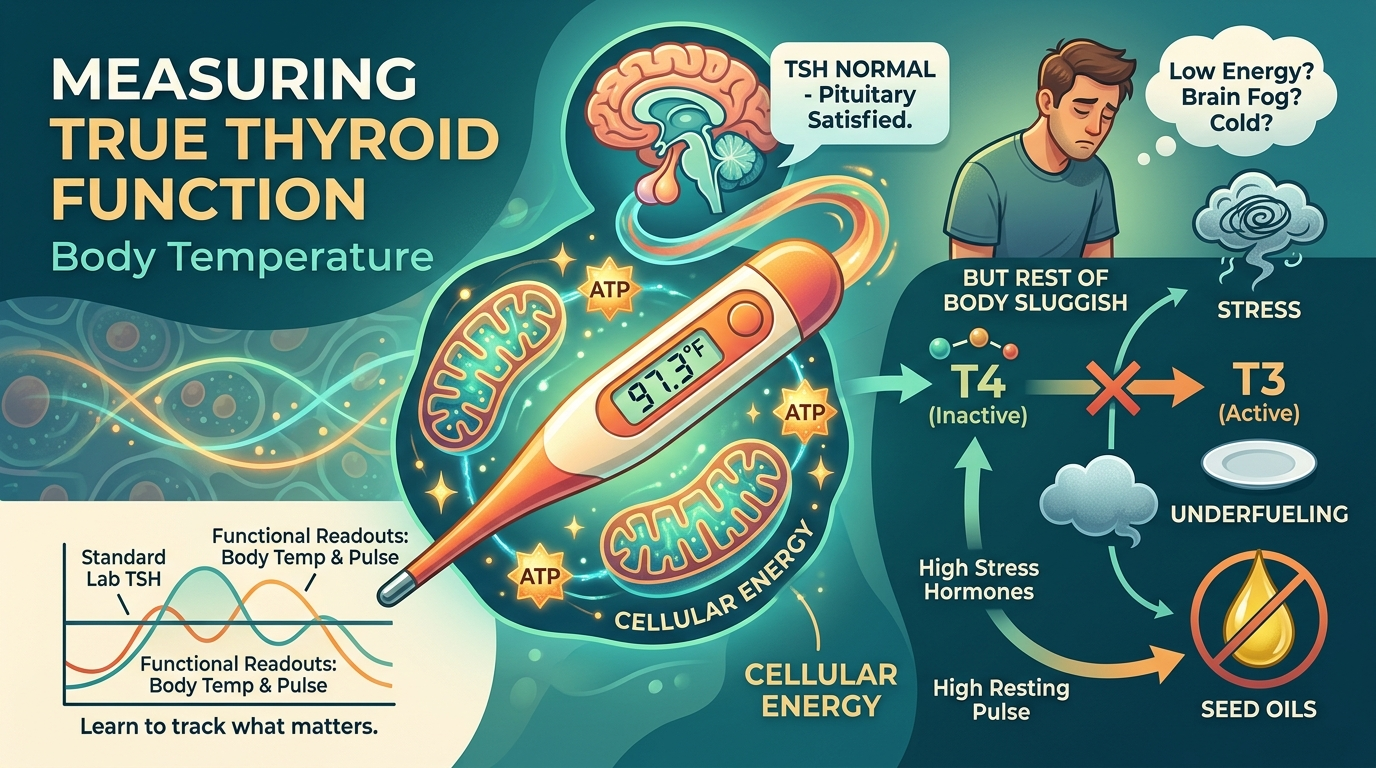
Because its levels shift predictably with emotional and metabolic strain, this hormone could act as a biomarker for clinicians to assess how stress affects the body's energy systems. But you don't need a lab test to tell when your mitochondria are struggling. The symptoms are everywhere in your daily life.
Fatigue that doesn't improve with rest is the hallmark of mitochondrial dysfunction. You wake up tired. You crash in the afternoon. Exercise leaves you exhausted for days instead of energized. This happens because your cells literally cannot produce enough energy to meet your demands.
Brain fog and difficulty concentrating are another red flag. Your brain consumes 20% of your total energy despite being only 2% of your body weight. When mitochondrial function declines, cognitive function suffers. You can't think clearly. You forget things. You feel mentally slow.
Weight gain that won't budge, especially around the midsection, is another symptom. When stress hormones dominate and mitochondria can't keep up, your body stores fat instead of burning it. This isn't a willpower problem. It's an energy problem.
Muscle weakness and slow recovery from exercise tell a similar story. Your muscles need constant ATP to function and repair. When mitochondrial production falls, muscles feel weak, sore, and slow to heal. Even light exercise feels disproportionately difficult.
Hormonal imbalances often accompany mitochondrial decline. Thyroid problems, sex hormone issues, and cortisol dysregulation all connect back to cellular energy production. Your endocrine system can't function properly when your cells are energy-starved.
How Stress Metabolism Creates a Vicious Cycle
The real problem is that stress and mitochondrial dysfunction feed each other in a self-reinforcing loop. Psychological stress increases energy demand while simultaneously damaging the mitochondria that must meet that demand. As mitochondrial function declines, your body becomes less resilient to stress, which creates even more stress on already-weakened cells.
This is why some people seem to handle stress effortlessly while others crumble under minor pressure. It's not a character flaw or weakness. It's a difference in mitochondrial capacity. The Columbia study proves this. Healthy mitochondria respond to stress by downregulating the metabolic hormone FGF21, essentially coasting through the challenge. Damaged mitochondria do the opposite, ramping up this hormone as a distress signal.
Over time, this cycle accelerates aging. Mitochondria produce more oxidative waste. Energy production becomes less efficient. Hormones become more imbalanced. Inflammation rises. This is the biological basis for burnout, the state where stress stops being something you can bounce back from and becomes your new normal.
But here's the empowering truth. You can change this trajectory. You can restore mitochondrial balance. You can rebuild your stress resilience from the cellular level up. The research points toward precision stress medicine, where interventions use feedback signals like FGF21 to personalize stress recovery plans, gauge progress, or identify early metabolic decline.
The Biospark Approach: Restoring Mitochondrial Balance
Living in constant fight-or-flight mode doesn't just affect your mood. It starves your cells of energy. Chronic stress forces your mitochondria to work overtime while flooding your body with cortisol and adrenaline. Over time, this damages your energy systems, weakens emotional stability, and accelerates aging.
At Biospark Health, we approach stress as a mitochondrial problem, not just an emotional one. This is why we focus on restoring cellular energy production rather than merely managing symptoms. When you address stress at its root, you move from coping to healing.
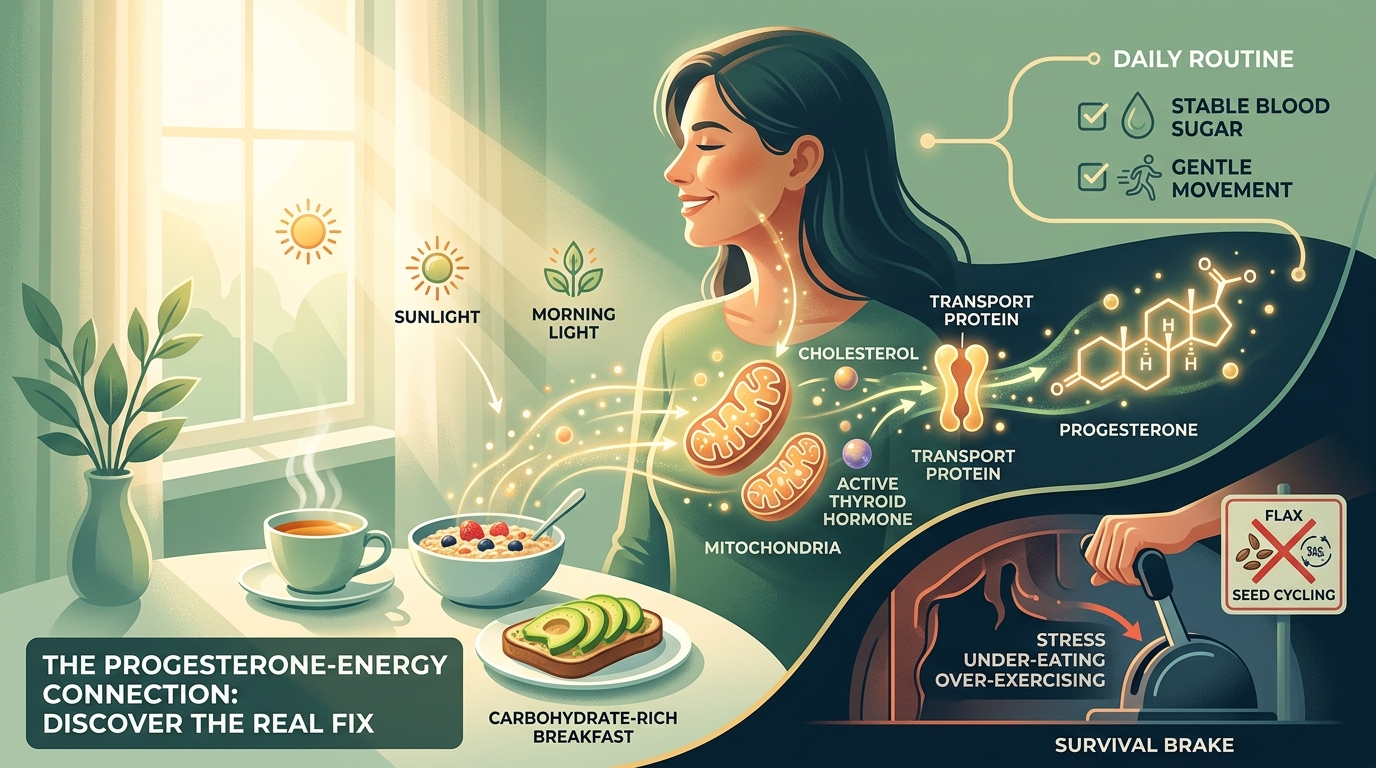
The foundation of mitochondrial recovery is steady fuel from whole-food carbohydrates. When you go too long without eating or restrict carbs, your body produces cortisol to make glucose from muscle and brain tissue. This process depletes energy and accelerates aging. Supplying your mitochondria with steady, healthy carbohydrates keeps them fueled and stable.
A Nutrients study found that balanced carb intake lowers cortisol and improves mood after stress. This is why long-term fasting or low-carb diets often backfire. They drain mitochondrial reserves and keep you stuck in stress mode. We recommend fruit, white rice, and root vegetables as consistent carbohydrate sources to support healthy stress metabolism.
Vegetable oils are another major source of hidden stress. They're loaded with linoleic acid, a polyunsaturated fat that poisons your mitochondria at excess levels. Getting rid of vegetable oils like soybean, canola, safflower, and sunflower, even if they're organic, is essential for stress recovery. We replace them with healthier fats like ghee, grass-fed butter, and beef tallow.
Movement stimulates mitochondrial biogenesis, the process of creating new, healthy mitochondria, and floods your system with endorphins that offset cortisol. Regular movement doesn't just improve your mood. It literally helps your cells make more energy. Walking outdoors, strength training, or gentle aerobic activity all support this renewal.
Training your brain to switch from fight-or-flight to rest-and-repair is equally important. Practices like gratitude journaling, laughter, creative hobbies, and positive visualization redirect energy away from the stress response and back toward healing. When your thoughts focus on safety, pleasure, and creativity, your brain sends mitochondrial-friendly signals that promote calm and stability.
Breathing and body relaxation techniques restore cellular equilibrium. Slow nasal breathing increases carbon dioxide levels, which improves oxygen delivery to your cells and helps mitochondria work more efficiently. Progressive muscle relaxation, autogenic training, or even mindful crying release emotional tension stored in your body. These methods teach your system to downshift from energy-draining stress responses into energy-restoring repair states.
Deep sleep is when your mitochondria perform maintenance, repairing oxidative damage and restoring cellular balance. Keep your evenings calm, avoid blue light before bed, and get morning sunlight to anchor your circadian rhythm. Physical affection, such as hugs, releases oxytocin, which lowers cortisol and helps cells operate more efficiently.
Ready to restore your metabolism at the cellular level?
The Bioenergetic Reset Program addresses root causes, not symptoms. Join 300+ members who've discovered what real metabolic health feels like.
- 9+ hours of comprehensive training
- Twice-monthly LIVE coaching calls
- Complete meal plans and protocols
- Direct email support
$133/month | Cancel anytime
Stress and Metabolic Health Support in Reading & Berks County, PA
If you're struggling with stress and mitochondrial dysfunction in the Reading or Wyomissing area, you're not alone. Many residents throughout Berks County face similar challenges, often without access to practitioners who understand root cause health.
The conventional approach to stress management focuses on relaxation techniques, mindfulness apps, and coping strategies. While these tools have value, they completely miss the biological reality that stress resilience depends on mitochondrial capacity. You can't meditate your way out of cellular energy dysfunction.
At Biospark Health, we serve clients throughout southeastern Pennsylvania, including Lancaster, Downingtown, Allentown, and the greater Philadelphia suburbs. Our bioenergetic approach has helped local residents finally address stress-related symptoms at their source. Whether you're dealing with fatigue, hormonal imbalances, weight gain, or burnout, we look at your cellular energy systems first.
If you're in the West Chester, King of Prussia, or Montgomery County area and looking for stress support that goes beyond surface-level solutions, we're here to help. The connection between emotional strain and mitochondrial function is real, it's measurable, and it's treatable when you have the right approach.
Frequently Asked Questions About Stress and Mitochondrial Health
How does stress affect the mitochondria?
Stress sends signals that shift your body into fight-or-flight mode, demanding quick energy from your cells. This reaction forces your mitochondria to work harder to keep up. Over time, this constant demand wears them down, reducing their efficiency and leading to fatigue, hormonal imbalance, and inflammation. When your mitochondria are overtaxed, stress becomes not just emotional but biological, draining your vitality at the cellular level.
How do you know if your mitochondria are healthy?
Healthy mitochondria show up as consistent energy throughout the day, quick recovery from exercise, clear mental focus, stable mood, and resilience to stress. You can handle physical and emotional challenges without crashing. Labs may show normal thyroid function, balanced sex hormones, and healthy blood sugar regulation. The real test is how you feel. Do you wake up refreshed? Can you exercise without exhaustion? Is your thinking sharp? These are the signs of well-functioning mitochondria.
How to reverse mitochondrial damage?
The most effective strategies include eating nutrient-rich meals that include healthy carbohydrates like fruit, white rice, and root vegetables to prevent cortisol spikes while avoiding LA-rich vegetable oils. Move your body daily to stimulate new mitochondria and lower stress hormone levels. Practice relaxation techniques such as slow breathing, mindfulness, or gentle stretching to trigger your rest-and-repair state. Get enough deep sleep and daily sunlight to synchronize your energy rhythms. Build emotional connection, because hugs, laughter, and gratitude all reduce stress chemistry and support cellular healing.
What are the symptoms of poor mitochondrial function?
Fatigue that doesn't improve with rest is the most common symptom. Other signs include brain fog, difficulty concentrating, weight gain that won't budge, muscle weakness, slow recovery from exercise, hormonal imbalances, temperature intolerance, and increased susceptibility to stress. When your mitochondria struggle, everything feels harder. Physical tasks exhaust you. Mental work drains you. Emotional challenges feel overwhelming. These aren't separate problems. They're all expressions of the same underlying energy deficit.
Why is social connection important for mitochondrial health?
The Columbia University study found that loneliness, social isolation, and emotional neglect correlate with higher levels of metabolic stress hormones. Conversely, people with strong relationships and frequent social interactions had lower stress markers. Social connection isn't just nice to have, it's physiologically necessary for healthy stress metabolism. Physical affection, laughter, and meaningful interaction all release hormones that lower cortisol and help mitochondria function more efficiently. We evolved to regulate our stress systems through each other.
Conclusion
Stress alters your metabolism at the cellular level. This isn't a metaphor or oversimplification. It's a measurable biological reality proven by cutting-edge research showing how psychological stress changes metabolic hormones, disrupts mitochondrial function, and accelerates aging.
The Columbia University study establishes FGF21 as a hormonal bridge between body and mind, demonstrating that emotional experiences translate into molecular change. More importantly, it reveals that your mitochondrial capacity determines how stress affects you. Healthy mitochondria respond to stress efficiently, while damaged ones amplify it.
This changes everything about how we should approach stress management. Coping techniques and relaxation exercises have their place, but they can't compensate for depleted mitochondrial reserves. Real stress resilience requires building cellular energy capacity.
When you care for your mitochondria, you care for your whole self. Stable energy means balanced hormones, better sleep, clearer thinking, and emotional resilience. Stress becomes something you adapt to, not something that breaks you down.
The research points toward an exciting future of precision stress medicine guided by measurable energy biology. But you don't have to wait for future treatments. The principles of mitochondrial recovery are available right now.
Feed your cells steady fuel. Move your body daily. Train your brain toward calm. Breathe deeply. Sleep well. Connect with others. These aren't just lifestyle recommendations. They're mitochondrial medicines that restore your capacity to handle stress with resilience and grace.
Your energy, your health, and your ability to meet life's challenges all depend on the tiny power plants inside your cells. Take care of them, and they'll take care of you.
Tags:
References & Citations
This article is supported by scientific research and peer-reviewed sources. Click citations to verify the evidence.
- [1]Kurade M, Picard MH(2025)Mitochondrial and psychosocial stress-related regulation of FGF21 in humans.Nature Metabolism.View Source
- [2]Columbia University Mailman School of Public Health(2025)Stress alters metabolic hormone with health consequences, study shows.Columbia University Mailman School Press Release.View Source
- [3]Cell Metabolism(2025)Sympathetic nervous system in metabolic health and disease.Cell Metabolism.View Source
- [4]Nutrients(2019)Carbohydrate intake, cortisol, and mood after stress.Nutrients.View Source
- [5]Columbia University UK Biobank Analysis(2025)Social isolation, loneliness, and FGF21 hormone levels.UK Biobank / Columbia University.View Source
All references have been reviewed for scientific accuracy and credibility. Citations follow standard academic format and link to original research where available.
About Dr. Steven Presciutti, MD
Founder & Health Coach at Biospark Health, specializing in bioenergetic health and metabolism optimization.