Why Winter Movement Feels So Hard (It's Not What You Think)
Struggling to stay active in winter? It's not a motivation problem. Learn how metabolism, cellular energy, and undereating create winter fatigue.
Medical Disclaimer
This content is for informational and educational purposes only. It is not a substitute for professional medical advice, diagnosis, or treatment. Always seek the advice of your physician or other qualified health provider with any questions you may have regarding a medical condition.
A few weeks ago, I came across the Scandinavian concept of friluftsliv, which translates loosely to "free-air living." At its core, it's the belief that spending time outdoors isn't a hobby or something reserved for when motivation strikes. It's simply part of being human.
Winter makes that easy to forget. Shorter days, colder temperatures, darker mornings. Everything nudges us indoors, and sometimes that's exactly what we need. Winter naturally invites slower rhythms, more rest, warmth. There's nothing wrong with that. This season was never meant to feel like summer.
But here's what I've noticed, both in my own practice and with the clients I work with: something shifts almost immediately when we step outside, even briefly. It doesn't need to be a workout. Sometimes it's five minutes, bundled up, breathing cold air, noticing how quiet everything feels. The mind clears. Mood lifts. Even when exhausted, the body seems to wake back up.
Winter light has a way of doing that. And there's real biology behind it.
The Metabolism Connection Most People Miss
When people struggle to stay active in winter, the assumption is usually that it's a motivation problem. Discipline problem. Willpower problem.

It's not.
More often, it's a fuel problem.
When calorie intake drops, even unintentionally, something predictable happens at the cellular level. Your body shifts into conservation mode. You fidget less. Walk less. Tidy less. The desire to move decreases not because you're lazy, but because your metabolism is doing exactly what it's designed to do: protect you when energy seems scarce.
This is why so many people find winter movement feels like pushing through mud. They're not broken. They're underfueled.
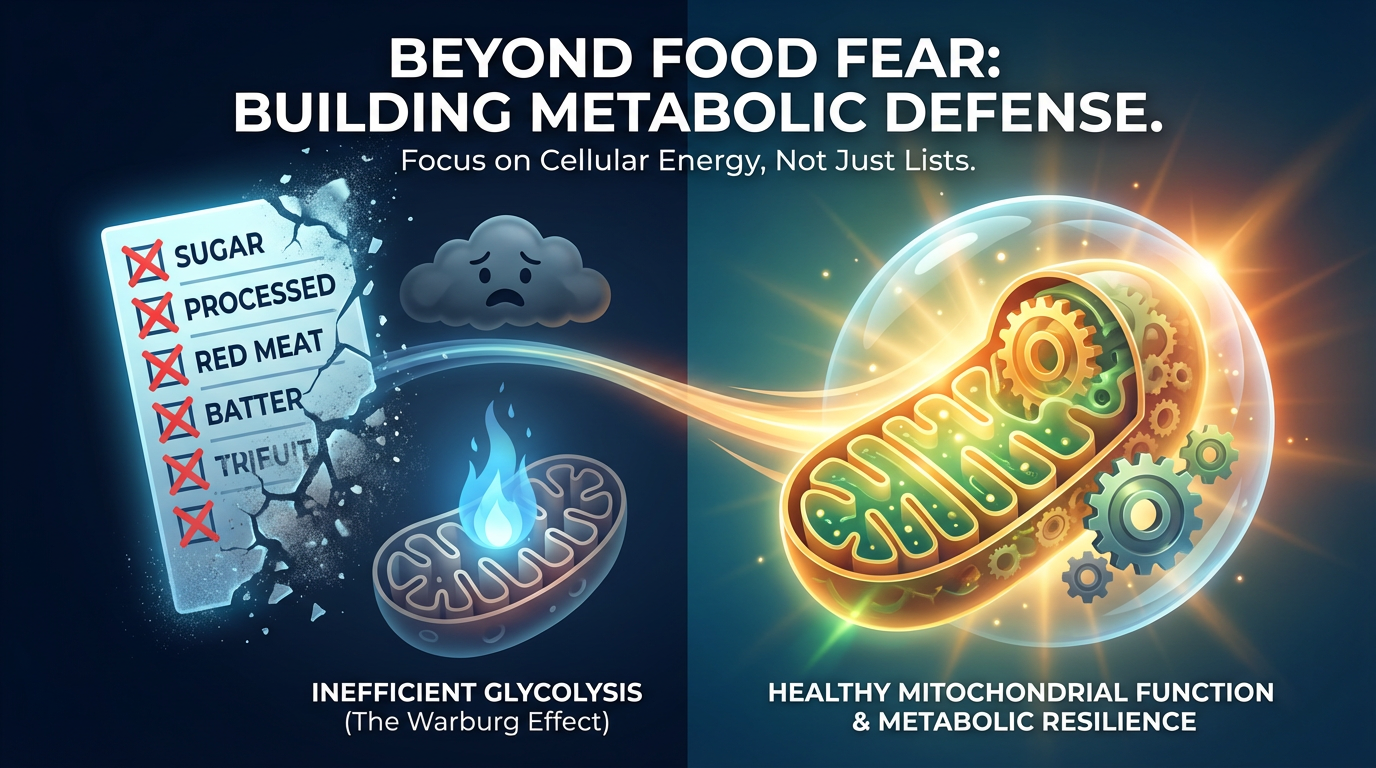
Your mitochondria, the energy-producing engines in every cell, need consistent fuel to function optimally. When they sense restriction, the whole system downregulates. Movement becomes harder. Recovery takes longer. Even mental clarity suffers.
The solution isn't to force yourself through it with more discipline. It's to give your cells what they need so movement feels natural again.
What Actually Happens to Your Metabolism in Winter
There's a common question that comes up every cold season: does metabolism slow down in winter? The answer is more nuanced than most people realize.
Research actually shows that metabolic rate can increase slightly during cold exposure. Your body works harder to maintain core temperature, which requires more energy. Studies have found that the metabolic response during cold exposure is significantly higher in winter months compared to summer.
But here's where it gets interesting. While cold exposure can temporarily boost metabolism, the lifestyle shifts that accompany winter often work against us. Less movement. More time indoors. Reduced sunlight exposure. Altered sleep patterns. These factors can create conditions that make the body feel sluggish, even if the raw metabolic rate hasn't changed dramatically.
The real issue isn't that winter damages your metabolism. It's that winter changes our behavior in ways that can suppress metabolic function over time.
When you combine reduced activity with insufficient calories (whether from intentional restriction or simply forgetting to eat enough warm, satisfying meals), you create the perfect storm for winter fatigue.
Why You're So Tired in Winter (Beyond the Obvious)
Everyone knows that shorter days and less sunlight contribute to winter fatigue. But there's a deeper layer that rarely gets discussed.
Your nervous system is constantly reading signals from your environment. Cold, darkness, and reduced food availability are ancient signals that meant one thing to our ancestors: hunker down and conserve.
When your body receives these signals, it responds accordingly. Energy output decreases. The drive to move diminishes. Sleep pressure increases. This isn't dysfunction. It's adaptation.
The problem is that modern life doesn't allow for true winter rest. We still have jobs, responsibilities, and schedules that demand summer-level output. So we push through the fatigue with caffeine, willpower, and guilt about not exercising enough.
This approach backfires. Pushing harder when your body is asking for support creates more stress, which further suppresses metabolic function. It's a cycle that leaves many people feeling exhausted from November through March.
The path forward isn't about overriding these signals. It's about working with your biology instead of against it.
Staying Active in Winter Without Fighting Your Body
Rather than thinking about winter as a time to maintain summer habits, consider how movement naturally shifts with the season. Your body still needs movement. That doesn't change. But it doesn't have to look loud or extreme to be effective.
Outdoor, season-based movement:
Walking through Christmas lights, winter festivals, or holiday markets counts. So does visiting tree farms or small-town main streets decorated for the season. Ice skating, sledding, cross-country skiing: these aren't just recreation. They're movement that feels aligned with the season rather than forced.
Even short outdoor walks make a difference. Ten to fifteen minutes of winter light exposure can shift your mood and energy more than you'd expect. The cold air, the brightness (even on cloudy days), the simple act of being outside: these all send signals to your nervous system that support alertness and metabolic function.
Indoor movement for busy or low-light days:
A rebounder in the living room while watching a show. A walking pad during the workday. Gentle pacing, stretching, or movement breaks instead of long sedentary stretches. These aren't glamorous, but they're effective at keeping your system from slipping too far into conservation mode.
A simple framework that works:
Aim for daily light movement, even if it's brief. A post-meal walk after breakfast, lunch, and dinner adds up to meaningful activity without requiring a dedicated workout. Keep two to three strength sessions per week as anchors. Pair movement with something enjoyable: music, a podcast, fresh air, or time with others.
The key is consistency over intensity. Winter rewards gentle persistence, not aggressive pushing.
The Fuel Factor: Why Eating Enough Changes Everything
One piece that often gets overlooked in winter is food. When calories drop, even unintentionally, your natural movement drops too. You fidget less, walk less, tidy less. The body shifts into conservation mode. That's not a motivation problem. It's a fuel problem.
Eating enough is what keeps your system feeling safe enough to move, adapt, and stay consistent.
Winter is a beautiful time to lean into warm, grounding foods. Soups, stews, sourdough, hot cocoa, milky coffee, ripe winter fruits, stewed fruits. These aren't indulgences. They're supportive, especially in a season where your body is already asking for more energy.
When you eat enough, regularly, your cells have the raw materials they need to produce ATP efficiently. Your thyroid stays supported. Your stress hormones stay balanced. Movement feels possible instead of punishing.
This is the metabolic truth that gets lost in diet culture: restriction in winter is particularly damaging. Your body reads those signals as confirmation that resources are scarce, and it responds by conserving even more aggressively.
The clients I work with who thrive in winter aren't the ones white-knuckling through on minimal calories and maximum willpower. They're the ones eating breakfast within an hour of waking, prioritizing protein and carbohydrates together, and treating warm meals as medicine.
The Biospark Approach to Winter Wellness
At Biospark Health, we don't treat winter fatigue as a character flaw or a motivation problem. We recognize it as a metabolic signal.
When your cells are properly fueled and your mitochondria are functioning efficiently, movement becomes natural. Energy returns. The desire to be active stops feeling like something you have to force.
Our approach focuses on the root cause: cellular energy production. We look at thyroid function, metabolic rate, nutrient status, and the lifestyle factors that either support or suppress your body's ability to generate energy.
Dr. Presciutti brings over 12 years of research in cellular bioenergetics to this work. The protocols we use aren't based on willpower strategies or generic exercise advice. They're based on understanding what your body actually needs to thrive, including during the challenging winter months.
Ready to restore your metabolism at the cellular level?
The Bioenergetic Reset Program addresses root causes, not symptoms. Join 300+ members who've discovered what real metabolic health feels like.
- 9+ hours of comprehensive training
- Twice-monthly LIVE coaching calls
- Complete meal plans & protocols
- Direct email support
$133/month | Cancel anytime
Winter Wellness Support in Reading & Berks County, PA
If you're struggling with winter fatigue in the Reading or Wyomissing area, you're not alone. Many residents throughout Berks County face the same challenges every year: exhaustion that coffee can't fix, weight that creeps up despite best efforts, and a persistent sense that something deeper is off.
At Biospark Health, we serve clients throughout southeastern Pennsylvania, including Lancaster, Downingtown, Allentown, and the greater Philadelphia suburbs. Our metabolic approach has helped local residents finally understand why winter feels so hard and what to do about it.
Whether you're in West Chester, King of Prussia, or anywhere in the Chester County area, our virtual and in-person options make it easy to get the support you need.
Frequently Asked Questions
What happens to metabolism during winter?
Your body may actually increase metabolic rate slightly to maintain core temperature in cold weather. However, the lifestyle changes that come with winter (less movement, more time indoors, altered eating patterns) can suppress overall metabolic function. The net effect for many people is feeling more sluggish, even though the raw metabolic potential hasn't changed.
Does your body burn more energy in winter?
It can, particularly during cold exposure. Research shows that the metabolic response to cold is higher in winter months. However, if you're spending most of your time in heated indoor environments and moving less, you may not be taking advantage of this effect. Brief outdoor exposure, even just 10-15 minutes, can help stimulate metabolic activity.
Why do I have no motivation to exercise in winter?
This often isn't about motivation at all. It's about cellular energy. When your body isn't getting enough fuel, or when metabolic function is suppressed, the drive to move naturally decreases. This is a protective mechanism, not a character flaw. Addressing the underlying metabolic factors often restores the natural desire to be active.
How can I stay energized during winter months?
Focus on the fundamentals: eat enough (especially warm, nutrient-dense meals), get outside for brief periods even in cold weather, maintain gentle daily movement, and prioritize sleep. Avoid the trap of restricting calories while trying to force yourself to exercise. Your body needs support, not punishment, during the winter season.
Moving Forward
Winter will always invite slower rhythms. That's not something to fight. But there's a difference between honoring seasonal rest and feeling trapped in exhaustion for months on end.
The body knows how to stay active in winter. It knows how to maintain energy and metabolic function even when the days are short. What it needs is the right support: adequate fuel, appropriate movement, and respect for its signals.
When you stop treating winter fatigue as a personal failing and start treating it as metabolic communication, everything changes. You work with your body instead of against it. Movement becomes sustainable. Energy returns.
That's what friluftsliv is really about. Not forcing yourself outside through sheer willpower, but remembering that being outdoors, being in your body, being active in ways that feel natural: these are part of being human. Winter doesn't change that. It just asks us to approach it differently.
Tags:
References & Citations
This article is supported by scientific research and peer-reviewed sources. Click citations to verify the evidence.
- [1]Blondin DP, Nielsen S, Kuipers EN, et al.(2020)Human Brown Adipocyte Thermogenesis Is Driven by β2-AR Stimulation.Cell Metabolism.View Source
- [2]Søberg S, Löfgren J, Philipsen FE, et al.(2021)Altered brown fat thermoregulation and enhanced cold-induced thermogenesis in young, healthy, winter-swimming men.Cell Reports Medicine.View Source
- [3]Sun W, Dong H, Balaz M, et al.(2020)snRNA-seq reveals a subpopulation of adipocytes that regulates thermogenesis.Nature.View Source
All references have been reviewed for scientific accuracy and credibility. Citations follow standard academic format and link to original research where available.
About Dr. Steven Presciutti, MD
Founder & Health Coach at Biospark Health, specializing in bioenergetic health and metabolism optimization.